Summer Slide Challenge #2: Why reading fluency is the bridge to reading comprehension.
20 minutes of reading doesn't mean much if every word is a struggle to get through. Aka, your child only reads 4 pages in 20 minutes because of skill, not because of distraction.

20 minutes of reading doesn’t mean much if every word is a struggle to get through. Aka, your child only reads 4 pages in 20 minutes because of their skill level, not because of distraction.
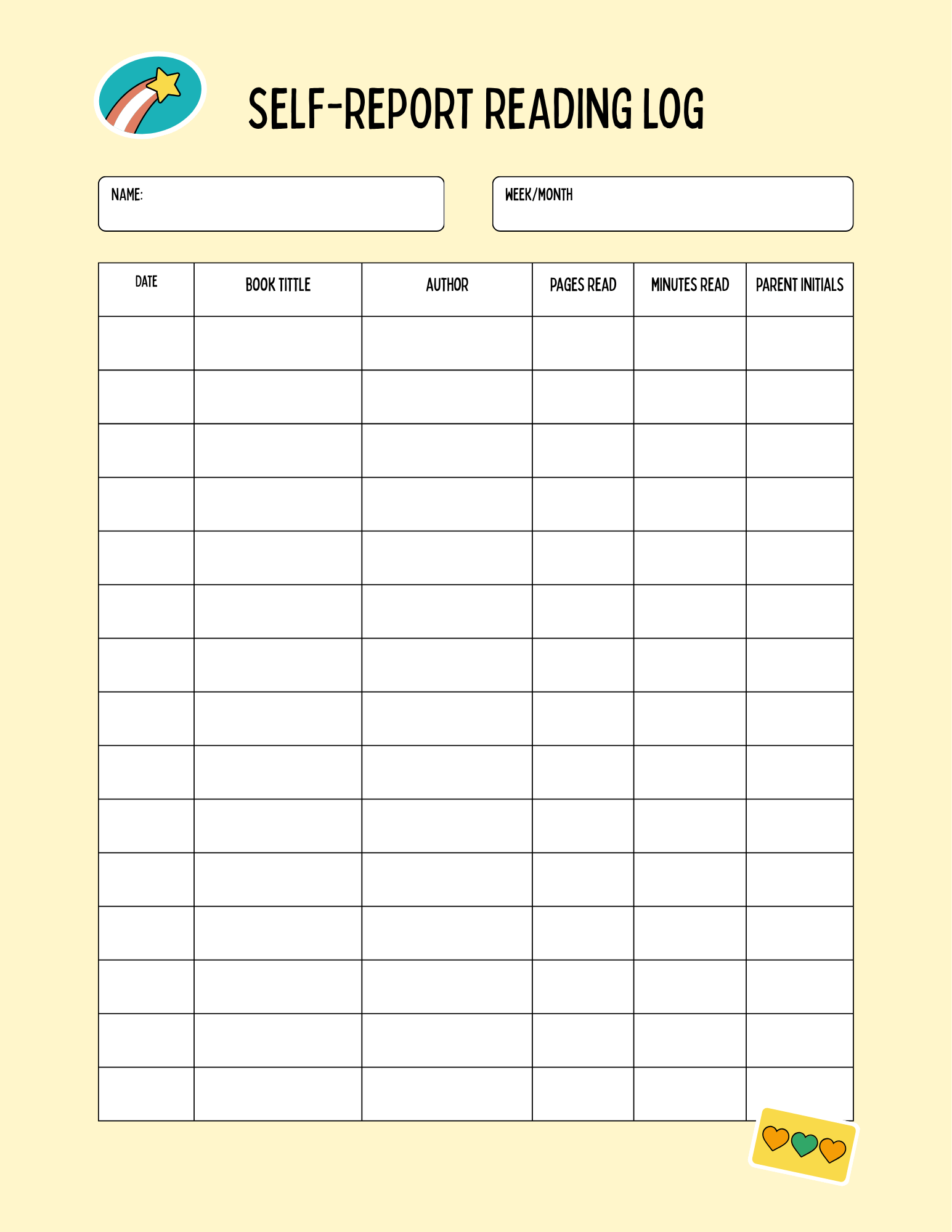
Below is the weekly minute reading report. Use it to help your child stay accountable with their weekly reading goal.
As written in Part I, use reinforcing strategies to keep your child motivated throughout the week. If you need a refresher, re-read Part I here.
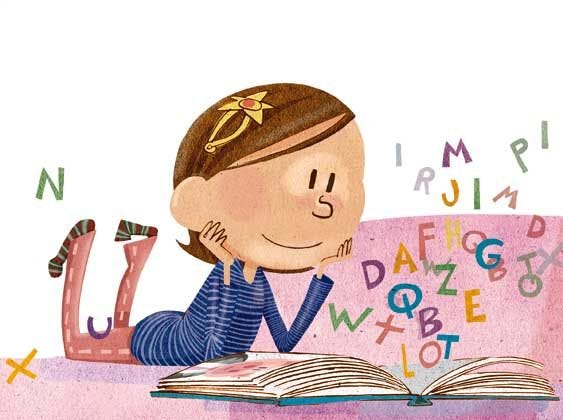
This week’s challenge is all about fluency.
Because without it, your child will have a more difficult time learning how to actually understand (comprehend) what they are reading.
What fluency actually is and why it’s not about speed:
A lot of parents hear “fluency” and think it means fast reading.
It doesn’t.
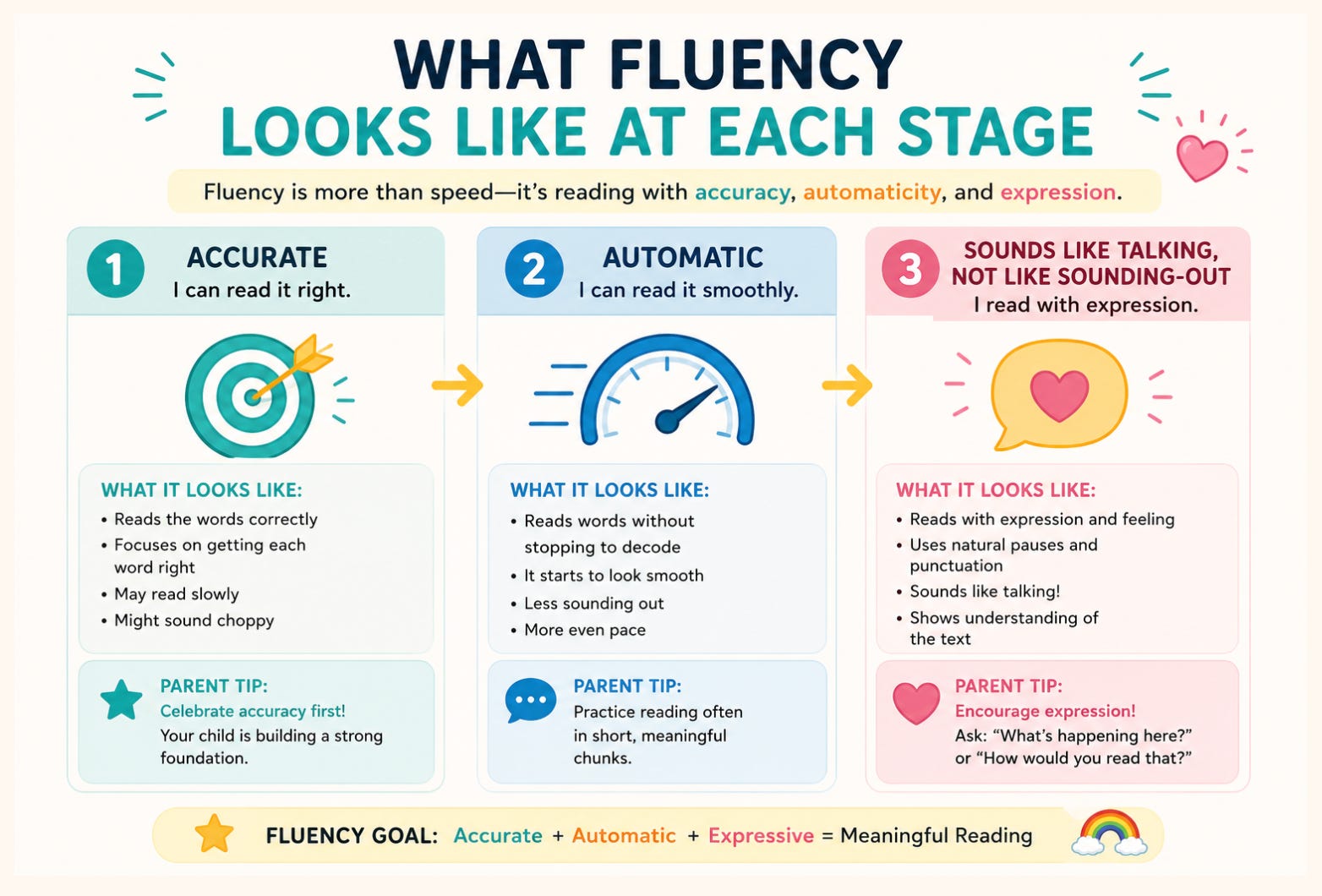
Fluency is three things happening together: accuracy (reading the words correctly), rate (reading at a pace that isn’t laboriously slow), and prosody (reading with expression.. pausing at commas, raising your voice for a question mark, sounding like talking instead of a robot sounding out each word).
Here’s why this matters so much more than it seems like it should: there’s a concept in reading research called automaticity theory.
The idea is simple but has huge implications.. working memory has a limited capacity, and if a big chunk of that capacity is being spent on decoding (sounding out each individual word, one at a time, effortfully), there’s very little left over for comprehension (actually understanding and holding onto what the sentence means).
A kid who’s still effortfully decoding every third word isn’t being lazy or careless when they finish a page and can’t tell you what happened.
Their whole cognitive budget went to getting the words out.
There was nothing left to spend on meaning.
This is why fluency is called the bridge to comprehension.
It’s not a separate skill sitting between decoding and comprehension.. it’s what happens when decoding becomes automatic enough that comprehension finally has room to happen.
Skip building fluency, and you get kids who can technically read every word on the page and still walk away with nothing, because all their effort went into word-calling instead of meaning-making.
How fluency actually gets built:
The research-backed method here is repeated reading: the same short, appropriately-leveled passage, read multiple times across several days.
Not for pressure, and not as a punishment for reading slowly the first time.. for automaticity.
Each rereading, the words that took effort the first time start requiring less effort, until eventually they don’t require conscious effort at all.
That’s the whole mechanism: repetition is what moves decoding from the effortful, working-memory-draining zone into the instant, automatic zone.
Echo reading is the other core tool.. you read a line aloud with real expression, your child immediately repeats it back, matching your phrasing and tone.
This directly teaches prosody instead of hoping it develops on its own through passive exposure, which for a lot of kids, it simply doesn’t.
Quick dos for this week of the challenge:
Pick one short passage (a few sentences to a paragraph, depending on your reader’s level) and have them read it out loud once today. Don’t correct anything yet.. just listen for where they get stuck or slow down.
Reread that same passage tomorrow. And the next day. Notice if it gets smoother.. that’s the data point that matters, not a single read.
Try one round of echo reading tonight: you read a sentence with expression, they immediately repeat it back the same way.
There’s a specific way to track growth here, know when a passage is too easy or too hard, and layer in the exact repeated-reading schedule that builds automaticity fastest.. that full system lives inside Science of Reading at Home.
Want it done for you?
With love always,
Amanda | Lightly Learning